Where to Find a Good Video Editor for Your Project
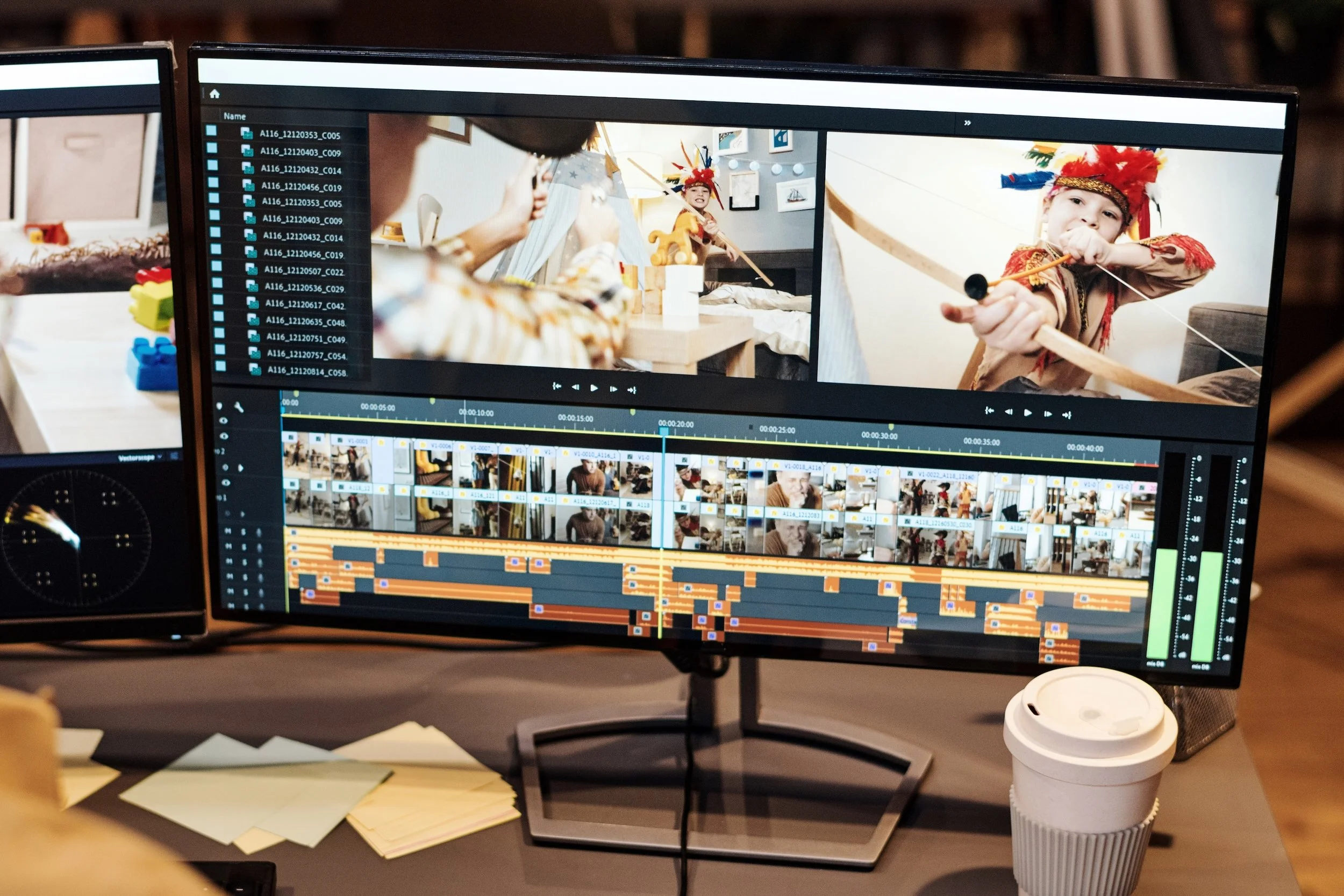
Finding someone who knows how to use video editing software is relatively easy. Finding a good video editor who understands your message, identifies the strongest moments in your footage, and turns everything into a clear and engaging story takes more work.
I have spent more than 10 years producing and editing videos for agencies, nonprofits, universities, and brands. My work has included marketing campaigns, social media videos, promotional content, interviews, event coverage, YouTube videos, and long-form projects. That experience has taught me that there is no single best place to find a video editor. Referrals, freelance platforms, creative communities, and production companies can all lead you to the right person.
Where you find an editor matters, but knowing how to evaluate their work, communication, and creative process matters more.
What Makes a Good Video Editor?
Technical skills are important, but they are only the starting point.
A professional video editor should know how to cut footage, improve audio, select music, adjust color, add graphics, and deliver files in the correct formats. Depending on the project, they may also need experience with captions, motion graphics, sound design, multi-camera footage, or platform-specific exports.
Knowing the software does not automatically make someone a strong editor. In my experience, creative storytelling ability is what separates an average editor from a great one. Editing is a series of decisions.
A good editor knows:
Where the story should begin
Which moments deserve the most attention
What information can be removed
When the pacing should increase or slow down
Which visuals support the message
Whether music and graphics are helping or distracting
What the viewer should understand or feel at the end
A strong editor does not include footage simply because it was filmed. Every clip needs to contribute something to the final story. This is especially important with interviews, testimonials, events, and documentary-style projects. The editor may need to review hours of footage, identify the clearest sound bites, connect ideas from different parts of an interview, and create a structure that feels natural to the viewer.
That is more than technical work. It is visual storytelling.
Look for Experience That Matches Your Project
Not all video editing is the same.
Short-form social content may need a strong opening, captions, fast pacing, and platform-specific formatting. Long-form YouTube content requires a deeper understanding of structure, repetition, transitions, and audience retention.
A client marketing video needs to communicate value without feeling like an extended advertisement. A brand campaign may require more visual polish, motion graphics, licensed music, and coordination with several stakeholders.
An editor can be highly talented and still be the wrong fit for your project. When reviewing candidates, look for experience that relates to your:
Video format
Intended audience
Publishing platform
Preferred style
Content volume
Timeline
Approval process
Industry experience can be helpful, but it is not always required. Strong storytelling skills can transfer between industries when the editor takes time to understand the organization, audience, and purpose of the video. Examples of finished work can often tell you more than a list of software skills. Review the editor’s video portfolio and look for projects that are similar in tone, format, or complexity to what you need.
Ask for Personal Referrals
Personal referrals are one of the best places to begin when you need to hire a video editor. A portfolio shows you the finished work. A referral can tell you what it was actually like to work with the editor. Someone who has hired the editor may be able to tell you whether they:
Communicated clearly
Met deadlines
Responded well to feedback
Stayed organized
Followed the creative direction
Delivered the correct files
The limitation is that referrals depend on your network. You may not know people who regularly hire editors, or the recommended person may specialize in a completely different type of video. A talented wedding filmmaker, for example, may not be the right fit for ongoing business-to-business marketing content. When asking for referrals, describe the project instead of simply asking whether someone knows a video editor. Mention the format, platform, approximate length, timeline, and whether the work could be ongoing. The more specific your request is, the more useful the recommendation is likely to be.
Search Freelance Platforms and Creative Communities
Freelance platforms are a solid option when you want access to a larger talent pool. The benefit is choice. The challenge is sorting through that choice.
You may need to spend significant time reviewing profiles and video editor portfolios before finding candidates whose work is genuinely relevant. Use specific searches instead of a broad term such as “video editor.” Useful searches might include:
Short-form social media video editor
YouTube talking-head video editor
Client testimonial video editor
Brand storytelling editor
Long-form educational video editor
Interview-based documentary editor
Online creative communities can also help you discover talented editors. These may include filmmaker groups, creator networks, local business communities, professional forums, or groups focused on a specific platform. One advantage of these communities is that you may be able to observe how someone thinks and communicates before contacting them. Editors may share work, discuss their process, answer questions, or provide feedback to other creators. However, online participation does not guarantee that someone will meet deadlines or manage a client project professionally.
Use freelance platforms and communities to discover candidates, then evaluate each person carefully.
Study Videos You Already Like
Another way to find a good video editor is to start with work you already admire. Look at videos created by businesses, nonprofits, brands, or creators with a style similar to what you want. Check the description, end credits, company website, or social media tags to see whether the editor or production company is identified.
You can also contact the organization and ask who created the video. Before reaching out, identify exactly what you like about the example. It might be the pacing, interview structure, visuals, graphics, music, or overall tone.
Video production is collaborative, so the element you like may have come from the director, cinematographer, producer, animator, or writer rather than the editor. Ask what the editor specifically contributed.
How to Evaluate a Video Editor’s Portfolio
When I review editing work, I pay attention to the story before I focus on effects. Transitions, animation, and graphics can be impressive, but they do not necessarily show whether the editor knows how to communicate an idea.
Watch each portfolio example as a viewer and ask:
Did the opening make me want to continue?
Was the message clear?
Did the pacing feel appropriate?
Did the visuals support what was being said?
Did the music match the tone?
Were the graphics useful or distracting?
Did the ending feel intentional?
I also look for restraint. Experienced editors know they do not need to use every tool available to them. The audience should remember the story, message, or organization, not simply the editing techniques.
Ask candidates what they personally handled in each portfolio example. An editor who received an organized script, selected footage, approved music, and detailed instructions had a different role than someone who reviewed hours of footage and built the story from scratch.
Understanding their contribution helps you evaluate their actual experience.
Pay Attention to Their Questions and Workflow
A good editor should ask thoughtful questions before beginning.
When I start a video project, I want to know why the video is being created, who needs to see it, where it will be published, what the audience should understand, and what action viewers should take. Those answers affect the structure, pacing, music, graphics, and overall tone.
You should also clarify the editor’s workflow, including:
How footage will be transferred
How drafts will be reviewed
How feedback should be submitted
How many revision rounds are included
What final files will be delivered
Whether captions and project files are included
Who is responsible for music and stock licensing
Creative talent matters, but organization and communication are also part of professional video editing services. If you need support shaping the creative direction as well as completing the edit, look for someone who offers video production and post-production services rather than basic assembly alone.
Consider a Paid Test Project
When possible, begin with a smaller paid project before committing to a large video or an ongoing relationship. A test project allows you to evaluate more than the finished edit. You can see whether the editor understands the brief, identifies the strongest material, meets the deadline, communicates clearly, and applies feedback accurately. The test should represent the type of work you actually need. Do not choose an unusually simple clip that requires few creative decisions.
Any request for work, even if it’s a test to determine work compatibility, should also be paid. Editing requires time, expertise, and creative judgment. Experienced professionals should not be expected to complete unpaid sample work.
Use a Mix of Options
My recommendation is to use several search methods.
Ask your network for referrals, search freelance platforms, participate in creative communities, study videos you already like, and consider a production company for more complex projects. Then build a small shortlist based on relevant experience, storytelling ability, communication, workflow, and availability.
The best editor is not necessarily the person with the flashiest portfolio, the lowest price, or the longest list of software skills. A good video editor understands the purpose behind the footage. They recognize what the audience needs and know what to include, what to remove, and how to turn individual moments into a complete story.
That is the difference between finding someone who can edit a video and finding an editor who can make your project stronger.
Need a Video Editor for Your Project?
If you are looking for a video editor who can help shape the story as well as polish the final footage, explore my video editing and production services. I work with agencies, nonprofits, universities, and brands to create story-driven videos for marketing campaigns, websites, social media, YouTube, and other digital platforms.
You can also review my video portfolio to see examples of short-form, long-form, promotional, and brand-focused work. When you are ready to discuss your project, contact me with a brief description of the video, your intended audience, and your ideal timeline.